Introduction
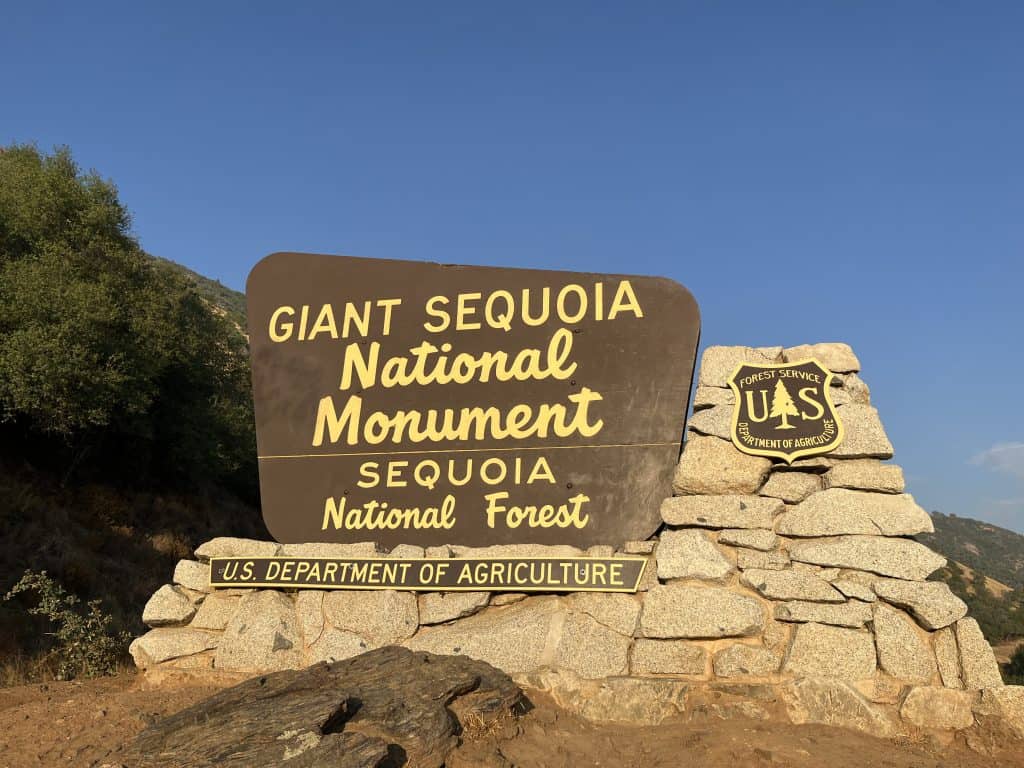
Sequioia National Park— and yes, you can explore its highlights in just one day. I know, because I’ve done it myself.
My first trip to Sequoia National Park was in July 2025, and I returned again in mid-September 2025 with my truck camper Tortuga Blanca and my friend Josh in his Jeep. We overlanded, camped in the forest, and set out to experience all the must-see trails and iconic landmarks this incredible park has to offer. (Check out my full adventure in the video here: Visiting Sequoia National Park.
Sequoia National Park is truly the land of giants. It’s home to the world’s largest trees by volume, including the famous General Sherman Tree, which towers 275 feet high and spans more than 36 feet in diameter — making it the largest living tree on Earth. These ancient sequoias aren’t just massive; some are over 3,000 years old, standing as living witnesses to millennia of history.
But the park offers more than giant trees. Visitors can hike to Moro Rock for panoramic views of the Sierra Nevada, explore lush meadows like Crescent Meadow, and discover underground wonders such as the Crystal Cave. With elevations ranging from 1,300 to over 14,000 feet, Sequoia National Park contains diverse ecosystems filled with unique wildlife, rare plants, and stunning scenery you won’t find anywhere else.
If you’re short on time, a Sequoia day trip is absolutely worth it — but trust me, one visit will leave you wanting to come back again and again.
Planning Your One-Day Trip
Best time of year to visit
The best time to visit Sequoia National Park really depends on what kind of experience you’re looking for. Each season offers something unique — from snowy winter landscapes to summer hikes among the giant sequoias. Here’s a quick breakdown of what to expect in each season and why it might be the perfect time for your trip.
Spring (April – June)
- Why visit in spring: This is one of the best times to visit Sequoia National Park if you love waterfalls, wildflowers, and mild weather. Snowmelt feeds the rivers, making waterfalls flow at their peak, while colorful wildflowers blanket the foothills. Temperatures in the mid-elevations are generally comfortable for hiking and exploring.
- Things to know: Higher-elevation areas, including popular spots like Moro Rock and certain backcountry trails, may still be snow-covered or have limited access until late spring.
- Traveler tip: Always check the weather conditions daily. In spring, storms can roll in quickly, and conditions can shift between winter-like cold and warm sunshine in just a few hours.
Summer (July – September)
- Why visit in summer: Warm, sunny weather makes nearly the entire park accessible. All roads, trails, and visitor facilities are open, making it the perfect season for camping, hiking, and seeing the giant sequoias up close.
- Best for: Families, first-time visitors, or anyone who wants to experience Sequoia National Park without seasonal closures.
- Things to know: Summer is the busiest season. Expect large crowds at popular spots like the General Sherman Tree and Moro Rock. Temperatures can reach the 90s °F in the foothills, but higher elevations remain much cooler and more comfortable.
- Personal experience: When I visited in July, the park was noticeably crowded by midday. Luckily, the free shuttle ran every 10 minutes, which helped ease parking stress. I started early to beat both the crowds and the heat — the high that day was about 89°F, which felt great in the shaded sequoia groves.
Fall (October – November)
- Why visit in fall: Crisp mountain air, fewer crowds, and beautiful fall colors make autumn one of the most peaceful times to visit. Oak woodlands turn golden, and the giant sequoia groves glow with warm light — perfect for photography and hiking.
- Best for: Returning visitors or anyone who wants to experience the sequoias when the park is quieter, less busy, and a little cooler than the peak summer season.
- Things to know: By mid-October, some visitor facilities and campgrounds begin to close. Snow can arrive early at higher elevations, so always check conditions before you go. Fall is a great shoulder season for a more relaxed, crowd-free experience.
- Personal experience: I visited in early to mid-September, just after Labor Day, and the difference compared to July was huge. The weather was perfect for hiking, the crowds were much smaller, and with shuttles and some campgrounds already closed, the park felt more open and peaceful overall.
Winter (December – March)
- Why visit in winter: Sequoia National Park becomes a magical winter wonderland. Snow blankets the giant sequoia groves, creating unforgettable scenery for photography. Visitors can also enjoy winter sports like snowshoeing and cross-country skiing with far fewer crowds around.
- Best for: Quiet getaways, winter adventures, and photographers who want to capture the rare sight of giant sequoias covered in snow.
- Things to know: Winter in the Sierra Nevada is beautiful but can also be challenging. Roads often require tire chains or a 4WD vehicle, and some areas close due to heavy snowfall. Services and facilities are limited during this season. Cell service is scarce, so always check conditions, be well-prepared, and put safety first.
Quick Recommendation- My Take
- Best Overall (May–June): Late spring to early summer offers the perfect mix — roaring waterfalls, blooming wildflowers, and comfortable weather for hiking and exploring the giant sequoias.
- Least Crowded / Most Peaceful (October): Fall brings crisp air, colorful scenery, and a quieter park experience with far fewer visitors.
- Most Unique & Photogenic (Winter): Seeing giant sequoias draped in snow is a once-in-a-lifetime sight, making winter ideal for photographers and anyone seeking a magical experience.
Morning Adventures
Moro Rock
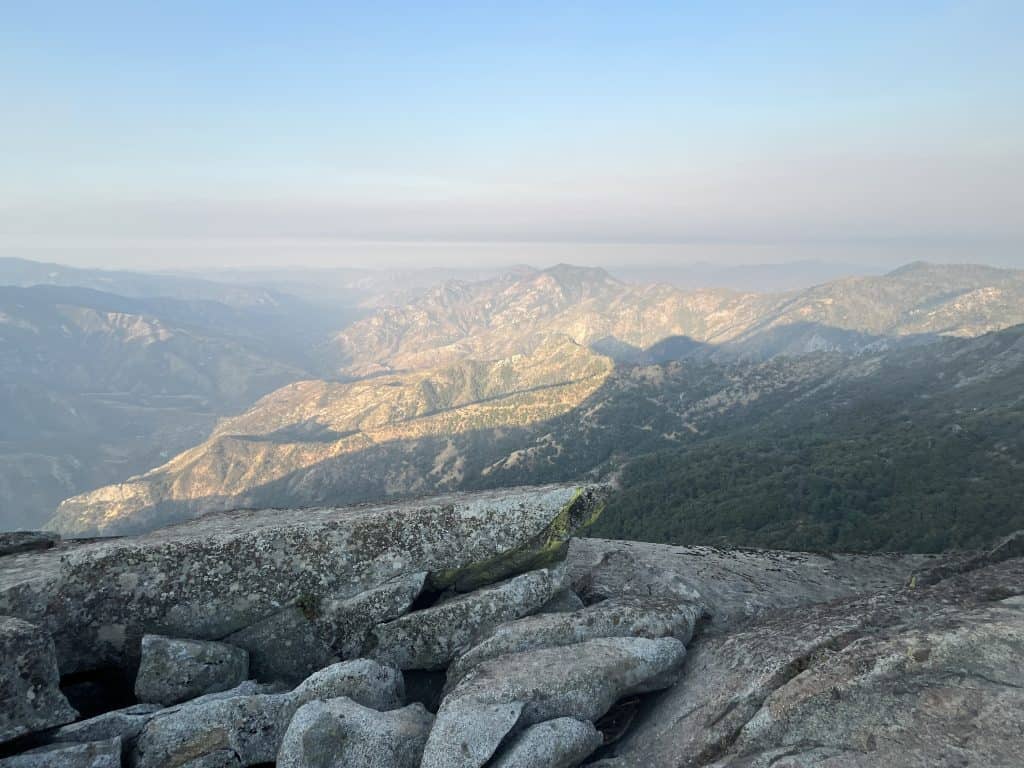
- Trail overview: Moro Rock is a short but rewarding hike in Sequoia National Park, making it a great choice for beginners. The climb gains about 600 feet in elevation with steep stone steps leading to the summit.
- Why go: At the top, you’ll be rewarded with a panoramic view of the Sierra Nevada. On a clear day, you can see multiple high peaks — some of the tallest mountains in the lower 48 states. Sunrise and sunset are especially breathtaking here, with golden light spilling over the ridges.
- Tips: Start early in the morning to avoid both crowds and midday heat. Parking is much easier before 8 a.m., and the cooler weather makes the climb more enjoyable.
- Personal experience: When we hiked Moro Rock, we left around 7 a.m. Parking was wide open, the air was crisp and cool, and the trail was quiet. Reaching the summit that early gave us the view almost entirely to ourselves — an unforgettable moment.
General Sherman Tree
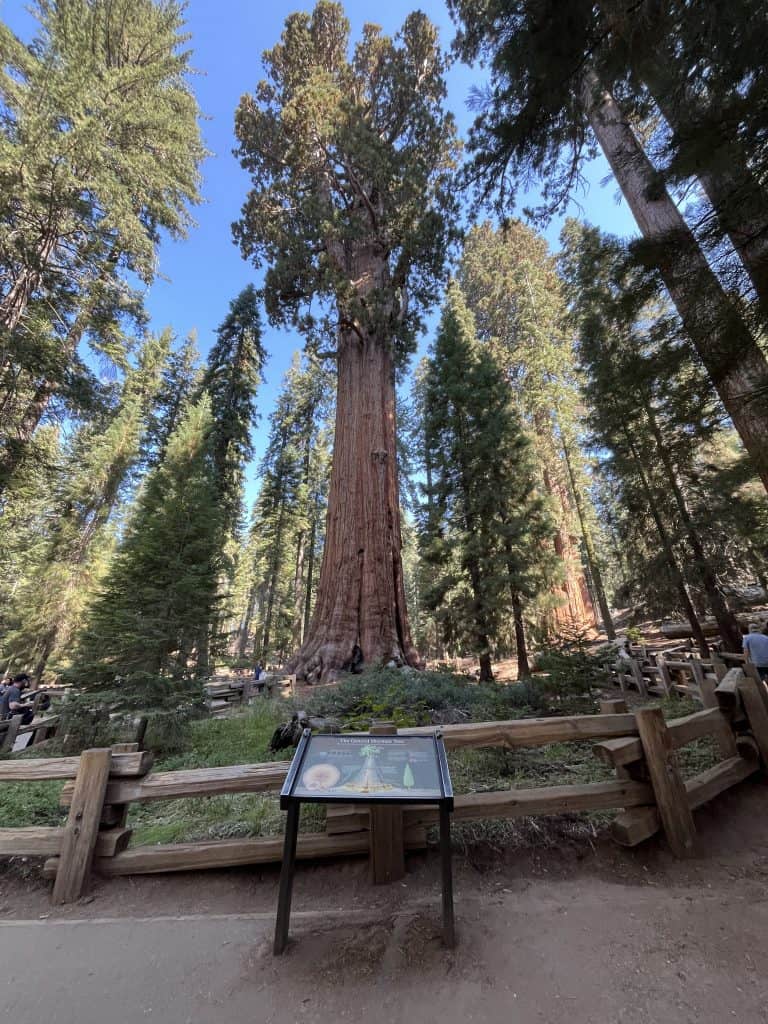
- Why visit: The General Sherman Tree is the largest tree in the world by volume, standing at 275 feet tall and more than 36 feet in diameter. Visiting this natural giant is a must-do highlight of Sequoia National Park.
- Trail details: The main parking area is about 0.5–0.6 miles from the tree. The walk down is easy, but keep in mind the return is uphill with about 190 feet of elevation gain. The entire trail is paved and very beginner-friendly, making it accessible for most visitors. Estimated round-trip time is 30 minutes to 1 hour, depending on crowds and photo stops.
- Photo opportunities: Taking photos in front of the General Sherman Tree is a popular activity. However, crowds build quickly in the afternoon and lines often form near the main viewing area. For the best experience (and lighting), visit early in the morning when it’s cooler and less crowded.
- Personal experience: I love visiting the General Sherman Tree — even when it’s busy, the atmosphere is enjoyable. I usually ask someone nearby to take my photo, and I’ve always had friendly encounters with other visitors. Compared to Moro Rock, the General Sherman trail is much easier; if you can handle Moro Rock, you’ll find this one simple.
Midday Exploration
Crescent Meadow
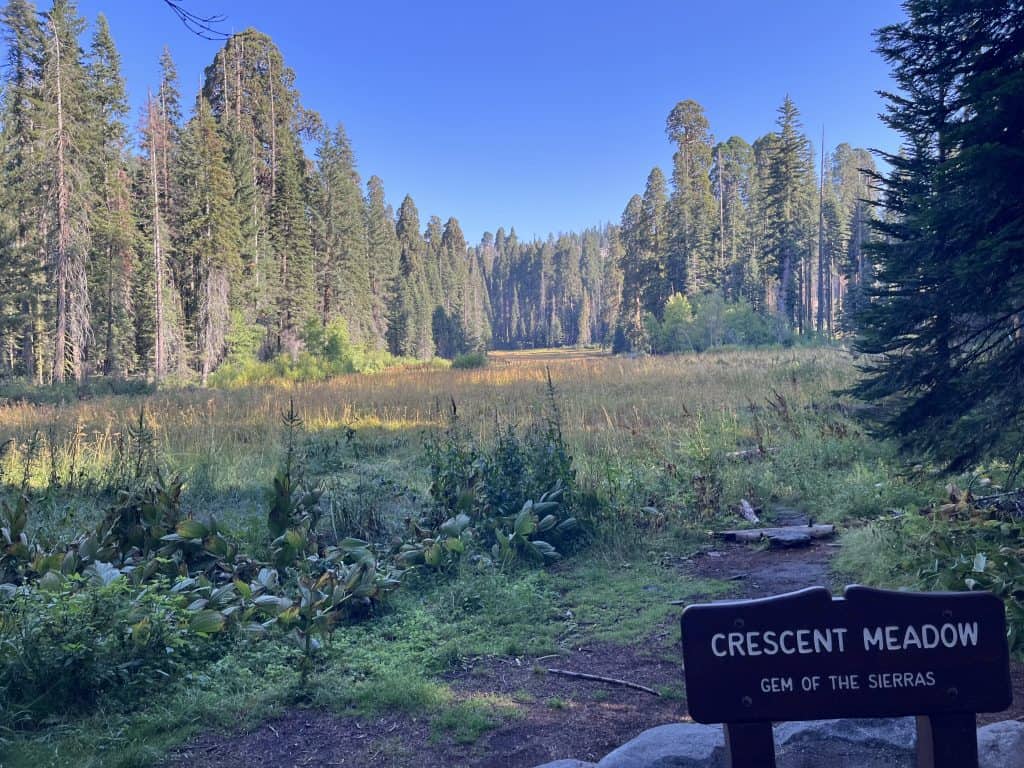
- Trail overview: Crescent Meadow is often called the “Gem of the Sierras.” It’s an easy, family-friendly hike with a short, paved loop trail and plenty of side paths to explore.
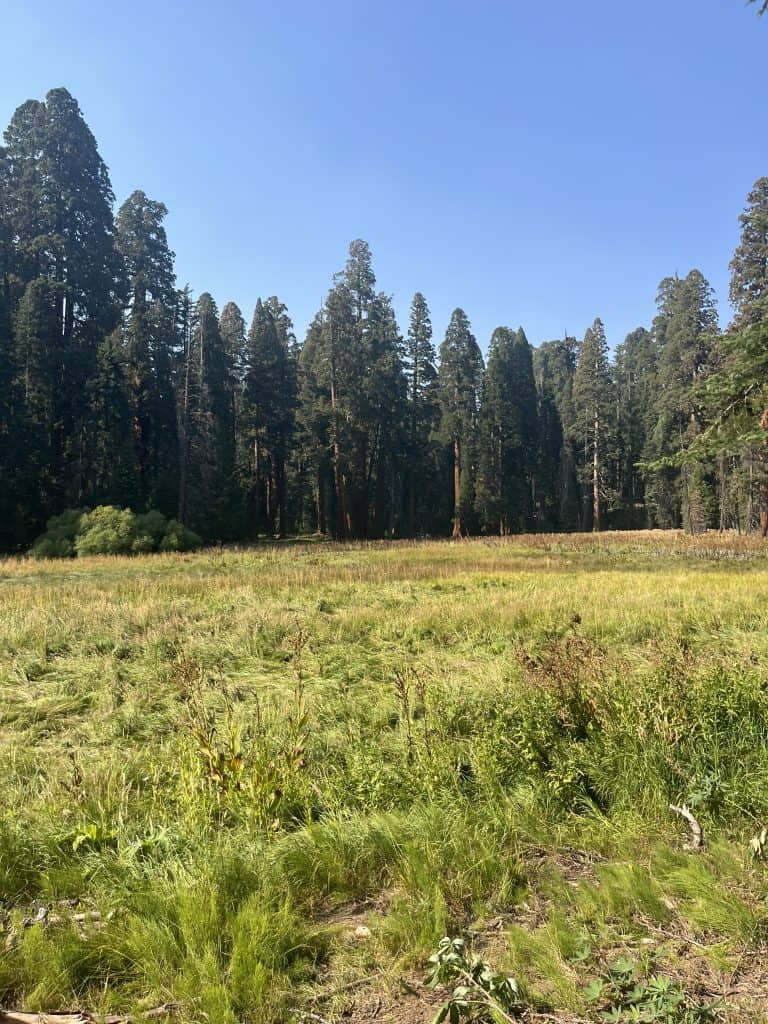
- Why go: The meadow is a scenic highlight of Sequoia National Park, surrounded by towering sequoias and filled with opportunities for wildlife spotting. Visitors may see deer, black bears, chipmunks, bumblebees, and a wide variety of plant species.
- Picnic spot: Crescent Meadow is also one of the best picnic areas in the park, with benches near the parking lot and shady spots around the loop. Be sure to use the bear-proof food storage boxes provided by the park, and never leave food in your car.
- Personal experience: We hiked Crescent Meadow early in the morning, and it was quiet with very few people on the trail. Our day ended up turning into an 8-mile loop that included several historic sites, but the Crescent Meadow Loop alone is short, easy, and perfect for families.
The Senate & The House
- Trail overview: The Congress Trail is a mild, family-friendly hike in Sequoia National Park that leads to some of the most impressive clusters of giant sequoia trees. Two highlights along this loop are The Senate and The House, groups of massive sequoias that feel like natural cathedrals.
- Why go: These iconic tree groves showcase the incredible scale and beauty of sequoias, making them some of the most photographed spots in the park. The trail is relatively short and easy, making it accessible to most visitors.
- Personal experience: I visited The Senate and The House by starting from the opposite end of the Congress Loop. Standing among these towering trees was truly jaw-dropping. It can get busy around midday, so I recommend visiting earlier in the day for a quieter experience.
Afternoon Stops
Chimney Tree & Black Arch
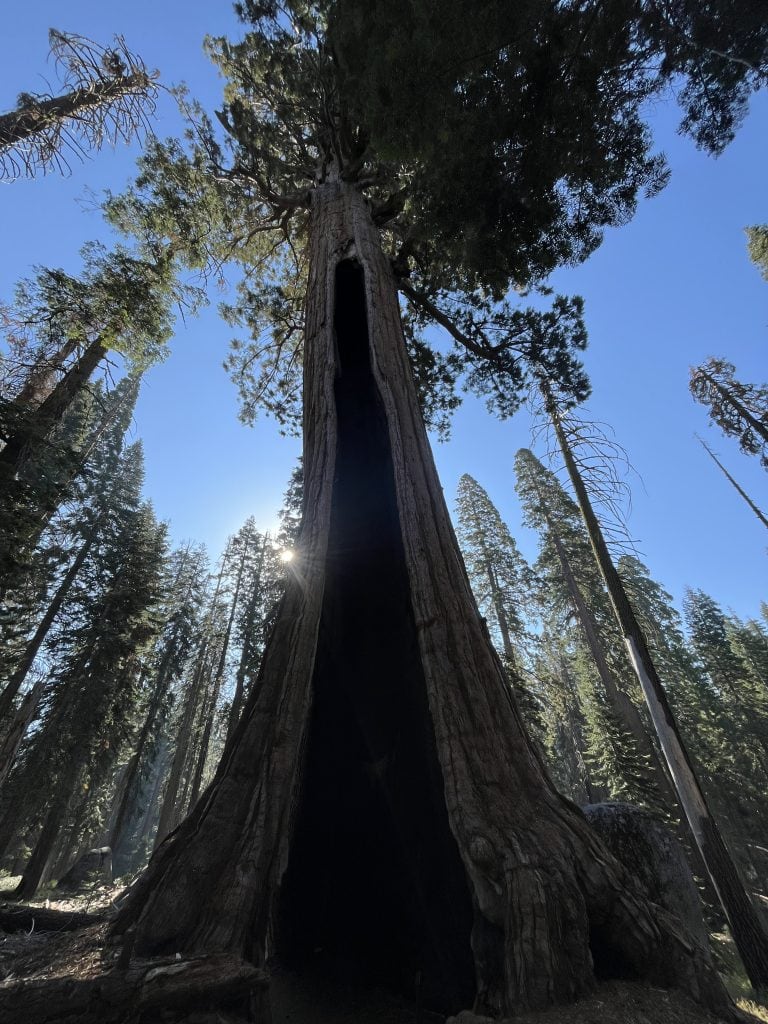
- Chimney Tree: The Chimney Tree was damaged by fire in 1914 and has been slowly withering ever since. Despite its hollowed interior, the tree is still alive and standing strong — a powerful example of the resilience of giant sequoias. Visitors can step inside the trunk and look up through the hollow to see the sky. Chimney Tree is located along the Redwood Loop, just off the Crescent Meadow Trail.
- Black Arch: Similar to Chimney Tree, the Black Arch Tree bears deep fire scars. You can walk inside and even through this massive sequoia, offering a unique perspective on the tree’s immense size and ability to survive wildfire damage.
- Why stop here: Both Chimney Tree and Black Arch are fascinating stops on your hike. They provide a memorable, hands-on experience with these ancient giants while highlighting just how resilient giant sequoias truly are.
Tharp’s Log
- History: Tharp’s Log is one of the most unique historic sites in Sequoia National Park. In the 1860s, Hale Tharp — the first non-Native American settler to enter the Giant Forest — turned a fallen, hollowed-out giant sequoia into his summer cabin. He lived here while grazing cattle in the meadows nearby.
- What to see: Visitors can step inside the log and view the rustic interior, which still contains benches, a bed platform, and simple furnishings. Walking into Tharp’s Log feels like stepping back in time, offering a rare glimpse into pioneer life among the giant sequoias.
- Why visit: Tharp’s Log isn’t just a quirky stop — it’s a piece of living history. It highlights the human connection to Sequoia National Park and demonstrates the creativity and resilience of early settlers. The log is located near Crescent Meadow, making it an easy addition to a morning or afternoon hike.
- Personal experience: Walking into Tharp’s Log was surreal — the combination of the charred, hollow sequoia walls and the preserved wooden benches inside really drove home how pioneers once lived here. It’s a short stop, but definitely worth adding to your visit.

Crystal Caverns
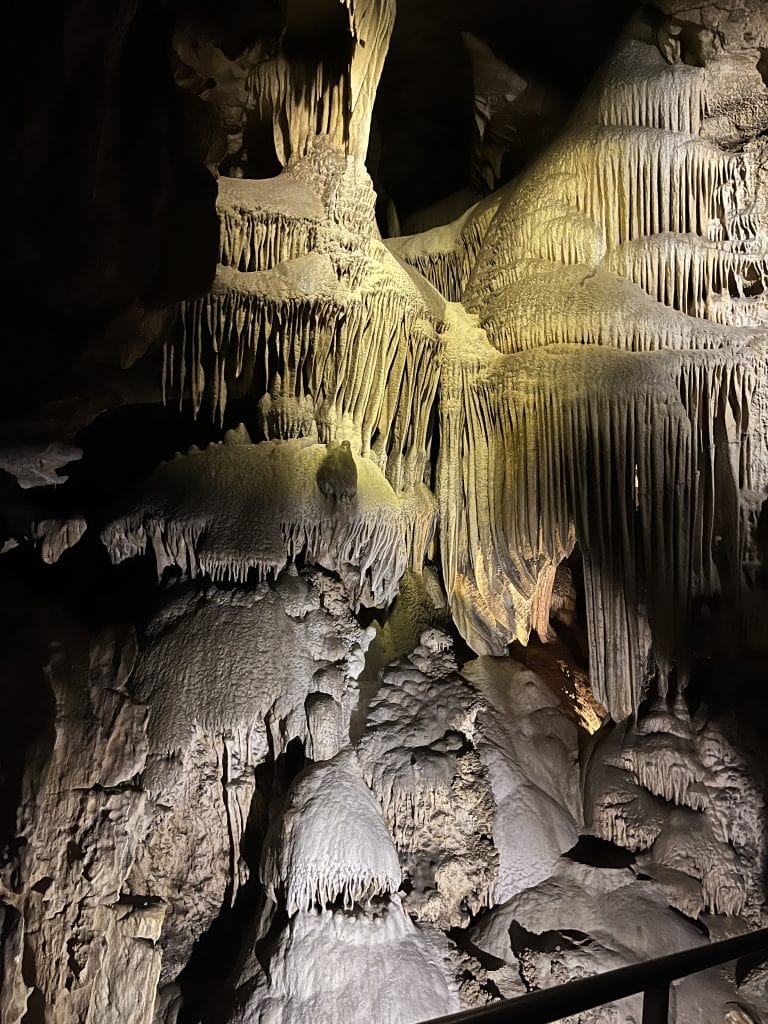
- Overview: Crystal Caverns is a stunning marble cavern located in Sequoia National Park. Filled with dramatic stalactites, stalagmites, and glittering mineral formations, it offers visitors a completely different perspective of the park — underground instead of among the giant trees.
- Why visit: Guided tours of Crystal Caverns showcase its winding passages, shimmering crystal formations, and underground streams. The cool interior (around 50°F year-round) makes it a refreshing stop, especially during the warmer summer months.
- Things to know: Crystal Cave is only open seasonally (typically late spring through fall) and access is available by guided tour only, which requires a ticket purchased in advance. The cave is not located directly off the main park road — visitors must drive a short, winding route and then hike about a half-mile to reach the entrance. Good walking shoes and a light jacket are recommended.
- Personal note: Exploring Crystal Caverns is like stepping into another world. The quiet echo, cool air, and sparkling formations are unforgettable. While the giant sequoias dominate the park above ground, the cave adds an unexpected — and incredible — underground adventure.
- Personal experience: Our tour guide was fantastic — knowledgeable, friendly, and flexible with timing. Crystal Cave had just reopened in May 2025, but we had no problem getting tickets. The short hike down to the cave (and back up afterward) was mild and manageable, making it accessible for most visitors. Overall, I highly recommend the tour — it’s one of the most unique experiences in Sequoia National Park.
Big Tree Trail
- Trail overview: Big Tree Trail is one of the easiest and most rewarding walks in Sequoia National Park. The paved, flat 0.75-mile loop circles Round Meadow, making it an ideal trail for families, beginners, or anyone looking for a leisurely stroll among the giant sequoias.
- Why visit: This trail is a perfect introduction to the Giant Forest. Interpretive signs along the path explain the ecology and history of the sequoias, while benches and boardwalks make it easy to pause, take in the scenery, and spot wildlife. Round Meadow itself is lush and beautiful, especially in spring and early summer when wildflowers bloom.
- Things to know: The trailhead is located near the Giant Forest Museum, with plenty of parking and restrooms available. Because the path is paved and relatively short, it’s one of the most accessible hikes in Sequoia National Park. Plan around 30–45 minutes for a relaxed loop with photo stops.
- Personal experience: I loved how peaceful Big Tree Trail felt, especially compared to busier spots like General Sherman or Moro Rock. Walking the loop in the morning gave me quiet time to enjoy the meadow views and giant sequoias without many other people around. It’s an easy, beautiful hike that really captures the magic of Sequoia. It is mostly paved so it can be great for families with kids, strollers or wheelchairs.
Sequoia National Park Museum
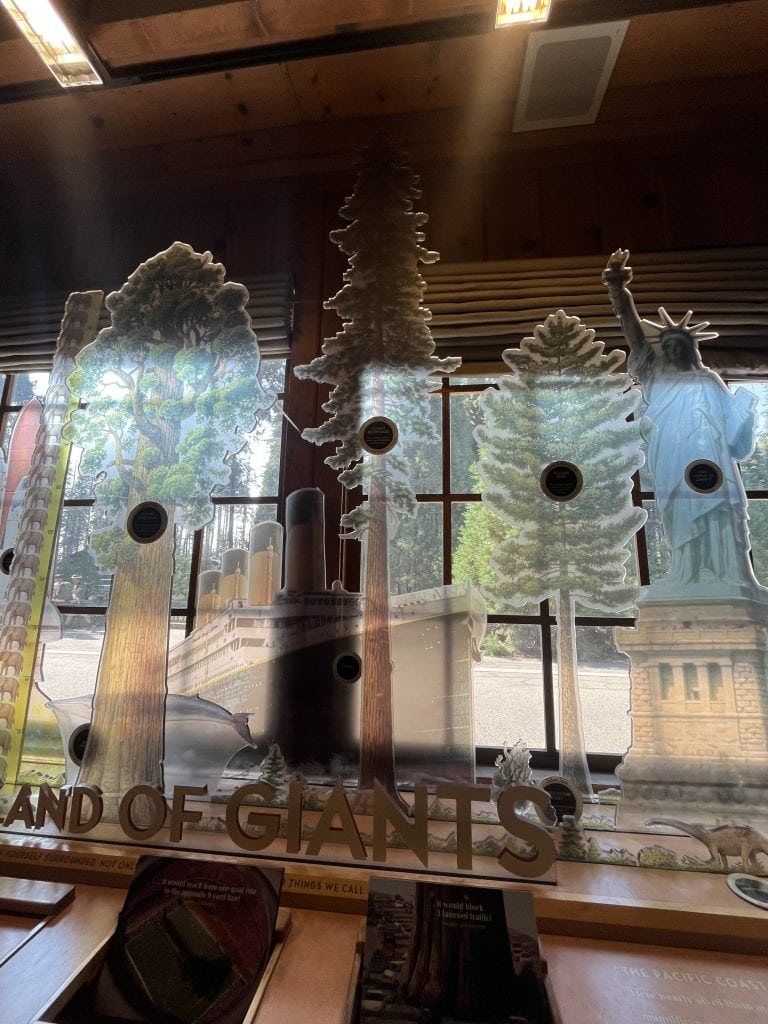
- Overview: The Giant Forest Museum is the best place to begin your Sequoia National Park adventure. Located in the heart of the Giant Forest, this small but informative museum explains the history, ecology, and preservation of the giant sequoias.
- Why visit: Inside, you’ll find interactive exhibits, educational displays, and park rangers available to answer questions. The museum also serves as a trailhead for several popular hikes, including the Big Tree Trail and Crescent Meadow, making it a perfect starting point for exploring the park.
- Things to know: Parking is available nearby, and restrooms are on site. The museum is open seasonally and may have reduced hours in fall and winter, so always check ahead. It’s a great stop for families and first-time visitors to get oriented before hitting the trails.
- Personal experience: I found the museum really helpful for understanding the science and history behind the giant sequoias. I actually didn’t start here but went midafternoon after lunch. It was less crowded and the place isn’t huge but worth stopping in to learn some facts.
Tips for Maximizing One Day in Sequoia National Park
- Start early: Plan to arrive at the park by 8 a.m. to secure parking, beat the crowds, and enjoy cooler morning temperatures.
- Prioritize must-see stops: With only one day, focus on the highlights like the General Sherman Tree, Moro Rock, Crescent Meadow, and (seasonally) Crystal Cave. Optional stops can be added if time allows.
- Pack snacks and water: Food options inside the park are limited, and meal breaks can cut into valuable exploring time. Bring snacks or a picnic so you can eat on the go or at scenic spots like Crescent Meadow.
- Plan for no cell service: Cell coverage is very limited in Sequoia National Park. Download offline maps and trail info before you go.
My YouTube Adventure
- Personal thoughts + behind-the-scenes moments not in video.
FAQs
Yes! While you won’t see everything, you can absolutely experience the park’s highlights in a single day. Must-see stops include the General Sherman Tree, Moro Rock, Crescent Meadow, and (seasonally) Crystal Cave. With an early start, you’ll be able to enjoy several of these iconic spots without feeling too rushed.
Definitely. Even one day in Sequoia National Park is unforgettable. The chance to stand beneath the world’s largest tree, hike to panoramic mountain views, and walk through ancient groves of sequoias makes any trip worthwhile. Many visitors come back for longer visits after a one-day introduction.
The two parks protect different species of giant trees. Sequoia National Park in California’s Sierra Nevada is home to the giant sequoia, the largest tree in the world by volume (like the General Sherman Tree). Redwood National and State Parks, located along the northern California coast, protect the coast redwood, the tallest tree species in the world. Both are awe-inspiring, but the experiences are different — Sequoia offers high mountain landscapes, while Redwood offers lush coastal forests.
Final Thoughts
Sequoia National Park is one of those places that stays with you long after you leave. For me, some of the most memorable moments were standing beneath the General Sherman Tree, catching sunrise views from Moro Rock, and walking the peaceful loop around Crescent Meadow. Each stop offered a different way to experience the beauty and scale of this incredible park.
If you’ve visited Sequoia before, I’d love to hear about your favorite spots — drop a comment below and share your story. If you’re planning your first trip, I hope this guide helps you make the most of your time and inspires you to see the park for yourself.
Looking for more adventures? Check out my other national park posts (coming soon), including Capitol Reef National Park, Redwood National and State Parks, and more.